What Are the Common AC Problems That Require Professional Repair?
Air conditioners are essential for maintaining comfortable indoor temperatures, especially during Hyderabad's hot summers. Whether installed in homes, offices, commercial buildings, restaurants, or industrial facilities, air conditioning systems must operate efficiently to provide consistent cooling. However, continuous usage, dust accumulation, electrical issues, refrigerant problems, and a lack of regular maintenance can affect AC performance.
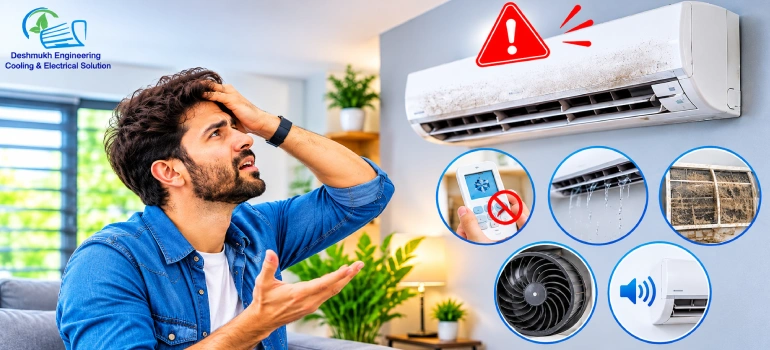
Many air conditioner problems begin with minor warning signs, such as reduced cooling, unusual noises, water leakage, or increased electricity consumption. Ignoring these symptoms can lead to more serious equipment damage and expensive repairs. Identifying these problems early and choosing professional repair services can help maintain cooling efficiency and extend equipment life.
Deshmukh Engineering understands the importance of reliable air conditioning performance and the need for proper maintenance and repair solutions. If you are looking for AC Service in Hyderabad, understanding common AC problems can help you recognise when professional attention is required.
What Are the Most Common AC Problems That Require Professional Repair?
Air conditioners contain several interconnected components, including compressors, condensers, evaporator coils, fans, filters, thermostats, electrical connections, and refrigerant circuits. A fault in any of these components can affect overall system performance.
Here are some common air conditioning problems that may require professional inspection and repair.
1. AC Not Cooling Properly
One of the most common complaints from homeowners and commercial property managers is insufficient cooling. An air conditioner may run continuously without bringing the room to the desired temperature.
Possible reasons include dirty air filters, blocked condenser coils, refrigerant leakage, thermostat problems, or compressor-related faults.
Professional servicing helps identify the actual cause instead of relying on temporary adjustments. Cleaning, component inspection, airflow correction, and appropriate repairs can help restore cooling performance.
2. Refrigerant Leakage
Refrigerant is responsible for absorbing heat from indoor air and transferring it outside through the refrigeration cycle.
A refrigerant leak can reduce cooling capacity, increase compressor operating time, and affect system efficiency. Common warning signs include insufficient cooling, ice formation on refrigerant pipes or evaporator coils, and unusual operating behaviour.
A qualified technician should locate and repair the leak before checking the system charge. Refrigerant should never simply be added repeatedly without identifying the cause of the loss.
3. AC Water Leakage
Water leakage from an indoor AC unit is another frequent problem, particularly in systems operating for long periods during hot and humid weather.
The issue may occur due to a blocked condensate drain line, damaged drain pan, incorrect drainage slope, or frozen evaporator coil.
Professional repair involves inspecting the drainage arrangement, removing blockages, checking the drain pan, and identifying any underlying cooling or airflow problem.
4. Unusual Noise and Vibration
Air conditioners generally produce operating sounds, but sudden or unusually loud noises should not be ignored.
Common causes include loose mounting components, damaged fan blades, worn bearings, motor problems, and compressor-related issues.
A professional technician can inspect the indoor and outdoor units, identify the source of vibration, and repair or replace defective components where necessary.
5. AC Switching On and Off Frequently
Frequent starting and stopping, commonly called short cycling, can affect cooling performance and place additional stress on electrical and mechanical components.
Possible causes include:
- Incorrect thermostat settings or malfunction.
- Dirty air filters restricting airflow.
- Refrigerant-related problems.
- Electrical control faults.
- Incorrect equipment sizing.
- Condenser overheating.
The underlying issue should be diagnosed before replacing any components.
6. AC Not Switching On
An air conditioner that does not start may have an electrical or control-related problem.
Potential reasons include a tripped circuit breaker, damaged wiring, faulty capacitor, defective contactor, thermostat malfunction, or control board failure.
Electrical inspection should be carried out by a qualified technician. Attempting to open electrical compartments without proper knowledge can create safety risks.
7. Bad Smell Coming from the AC
Unpleasant odours from air conditioning units may indicate accumulated dust, moisture, microbial growth, dirty filters, or drainage problems.
The source of the smell should be identified before cleaning. Professional cleaning of appropriate components and correction of moisture or drainage issues can help improve indoor air quality.
8. AC Freezing or Ice Formation
Ice formation on evaporator coils or refrigerant lines is not normal and may indicate restricted airflow, dirty filters, low refrigerant caused by a leak, or other refrigeration-system faults.
Continuing to operate an AC in this condition can worsen the problem. Switch off the cooling mode and arrange a professional inspection.
What Are the Key Features of Professional AC Repair and Servicing?
Professional AC repair involves more than cleaning the filters or checking the cooling temperature. It requires a systematic inspection of the complete air conditioning system.
Important service features include:
- Complete System Inspection: Checking indoor and outdoor units, electrical connections, filters, coils, and drainage.
- Cooling Performance Assessment: Evaluating airflow, temperature difference, and operating conditions.
- Electrical Component Testing: Inspecting capacitors, contactors, wiring, and control systems.
- Refrigerant System Inspection: Checking for leakage and evaluating refrigerant-related performance.
- Drainage Maintenance: Removing blockages and checking condensate disposal.
- Component Condition Assessment: Identifying damaged or worn components that require attention.
- Operational Testing: Checking the system after servicing or repairs.
The inspection procedure should be adapted to the AC type, model, capacity, and manufacturer's maintenance recommendations.
What Are the Benefits of Professional AC Servicing?
Regular servicing and timely repairs can help prevent avoidable breakdowns and maintain comfortable indoor conditions.
Improved Cooling Efficiency
Cleaning filters and coils, correcting airflow restrictions, and addressing component faults can help an air conditioner deliver more consistent cooling.
Better Energy Performance
A poorly maintained air conditioner may consume more electricity because it operates longer or works under inefficient conditions.
Correcting maintenance-related problems can help reduce unnecessary energy consumption. Actual energy savings depend on the system condition, usage pattern, and operating environment.
Extended Equipment Life
Timely identification of mechanical, electrical, and refrigeration-related problems can help prevent additional stress on important AC components.
Improved Indoor Air Quality
Cleaning suitable filters and inspecting indoor components can help reduce accumulated dust and other contaminants circulating through the air conditioning system.
Reduced Unexpected Breakdowns
Preventive inspections help identify developing issues before they result in major equipment failures.
More Comfortable Indoor Environments
A properly functioning air conditioner supports stable indoor temperatures and suitable airflow in residential and commercial spaces.
What Technical Specifications Should Be Checked During AC Servicing?
Technicians should check the following technical specifications during AC servicing to ensure proper cooling performance, energy efficiency, and reliable operation.
- Cooling Capacity: Verify the rated cooling capacity according to the AC model and manufacturer specifications.
- Refrigerant Type: Check whether the AC uses the manufacturer-recommended refrigerant.
- Refrigerant Pressure: Measure refrigerant pressure according to operating conditions and manufacturer guidelines.
- Airflow: Inspect indoor fan operation and ensure proper air circulation.
- Temperature Difference: Measure the return-air and supply-air temperatures to evaluate cooling performance.
- Compressor: Check compressor operating conditions and electrical performance.
- Capacitor: Test capacitance and inspect its physical condition, where applicable.
- Electrical Supply: Check voltage, current, wiring, and electrical connections.
- Air Filters: Inspect filters for dust accumulation, blockages, and damage.
- Condenser and Evaporator Coils: Check coil cleanliness and heat-transfer efficiency.
- Drainage System: Inspect the drain line and ensure proper condensate water disposal.
- Thermostat: Verify temperature sensing, settings, and automatic control operation.
How Does AC Servicing Improve Cooling Efficiency and Reduce Energy Consumption?
An air conditioner needs proper airflow, heat exchange, refrigerant circulation, and electrical operation to deliver effective cooling.
When filters become clogged, evaporator coils accumulate dust, or condenser airflow becomes restricted, the system may struggle to transfer heat efficiently.
Professional servicing addresses these conditions through appropriate inspection and maintenance.
Why Does a Dirty Air Filter Affect AC Performance?
A dirty filter restricts airflow through the indoor unit. This can reduce cooling performance, increase operating time, and contribute to evaporator coil freezing in some conditions.
Cleaning or replacing filters at suitable intervals helps maintain proper airflow.
How Do Dirty Condenser Coils Affect Electricity Consumption?
Condenser coils release heat from the refrigerant into the surrounding air. Dust and debris can reduce heat transfer and make the system operate under greater thermal stress.
Appropriate condenser cleaning can help restore heat exchange performance.
Why Is Proper Refrigerant Charging Important?
An incorrect refrigerant charge can affect cooling capacity and system operation. Both undercharging and overcharging can create performance problems.
Refrigerant charging should be based on the manufacturer's specifications and the actual system condition, after addressing any leaks.
What Is the Professional AC Servicing Procedure?
A systematic servicing procedure helps ensure that important components are inspected and maintained.
Step 1: Initial Inspection
The technician checks the AC model, operating condition, cooling complaint, visible damage, and installation arrangement.
Step 2: Filter and Coil Cleaning
Suitable cleaning procedures are used to remove accumulated dust from filters and accessible heat-exchange surfaces.
Step 3: Electrical Inspection
Electrical connections, control components, capacitors, and other relevant parts are inspected using appropriate testing equipment.
Step 4: Drainage Inspection
The condensate drain line, drain pan, and water disposal arrangement are checked for blockages or leakage.
Step 5: Refrigeration System Assessment
The technician checks refrigerant-related operating conditions and inspects for visible or suspected leakage where required.
Step 6: Fault Identification and Repair
Defective components are repaired or replaced according to their condition and the manufacturer's recommendations.
Step 7: Performance Testing
The AC is operated and checked for cooling performance, airflow, abnormal sounds, drainage, and correct control operation.
What Types of AC Systems Require Professional Maintenance?
Different air conditioning systems have different construction and maintenance requirements.
Split Air Conditioners
Commonly installed in homes, offices, and small commercial spaces, split ACs require regular filter cleaning, indoor and outdoor unit inspection, drainage maintenance, and refrigeration-system checks.
Window Air Conditioners
Window ACs require filter cleaning, coil inspection, drainage checks, and electrical component assessment.
Cassette Air Conditioners
Often used in offices, showrooms, and commercial interiors, cassette units require inspection of ceiling-mounted indoor components, filters, drainage systems, and airflow distribution.
Ductable Air Conditioning Systems
Ductable systems serve larger commercial spaces and require attention to filters, ducts, blowers, insulation, airflow balance, and control systems.
Commercial and Industrial Air Conditioning Systems
Larger installations may involve multiple indoor units, centralised controls, complex refrigeration circuits, and higher cooling loads. Their servicing should follow the equipment manufacturer's maintenance procedures.
What Material Quality Is Important in AC Repair and Replacement?
The quality of replacement components and servicing materials can influence equipment reliability and performance.
Important materials and components include:
- Copper Refrigerant Tubing: Properly specified copper pipes suitable for the refrigerant system and installation conditions.
- Electrical Wiring: Correctly rated cables and insulation suitable for the electrical load.
- Capacitors: Components matching the required electrical ratings and equipment specifications.
- Air Filters: Suitable filter materials compatible with the AC model.
- Insulation Materials: Appropriate thermal insulation for refrigerant pipes.
- Drainage Components: Suitable drain pipes, fittings, and connections.
- Refrigerant: The exact refrigerant type specified by the equipment manufacturer.
- Cleaning Materials: Compatible products that do not damage coils, insulation, or electrical components.
Using suitable components and following correct installation practices helps support safe and reliable AC operation.
Applications of Professional AC Servicing
Professional air conditioning maintenance is important across different types of buildings and facilities in Hyderabad.
Residential Buildings
Apartments, independent houses, and residential communities require reliable AC performance for daily comfort.
Corporate Offices
Office environments depend on consistent cooling to maintain comfortable working conditions for employees and visitors.
Hospitals and Healthcare Facilities
Air conditioning systems in healthcare environments require maintenance according to their specific ventilation, filtration, and environmental requirements.
Shopping Malls and Showrooms
Commercial spaces experience varying occupancy levels and cooling demands, making periodic maintenance important.
Restaurants and Hotels
These facilities often operate AC systems for extended hours and require attention to filters, coils, airflow, and drainage.
Industrial and Manufacturing Units
Industrial facilities may use specialised air conditioning systems to support workplace comfort and specific equipment or process requirements.
Why Choose Deshmukh Engineering for AC Service in Hyderabad?
Selecting a suitable AC service provider is important for maintaining equipment performance and reducing avoidable repair expenses.
Deshmukh Engineering focuses on understanding air conditioning requirements and identifying appropriate maintenance and repair solutions for residential and commercial applications.
Professional Technical Approach
Proper diagnosis helps identify the actual cause of cooling issues, electrical faults, unusual noises, and water leakage rather than relying on temporary fixes.
Quality Materials and Replacement Components
Using components that match the equipment's technical requirements is important for maintaining system compatibility and operating reliability.
Suitable Maintenance Solutions
Different AC systems require different servicing procedures. Maintenance should be planned according to equipment type, usage, installation conditions, and manufacturer recommendations.
Focus on Cooling Performance
Inspection of filters, coils, airflow, refrigerant circuits, and electrical components helps identify factors affecting cooling performance.
Customer-Focused Service
Understanding customer complaints and explaining identified issues can help property owners make informed repair and maintenance decisions.
If you are experiencing insufficient cooling, unusual AC noises, water leakage, or frequent breakdowns, consider professional inspection from Deshmukh Engineering.
Frequently Asked Questions About AC Problems and Repairs
1. What Are the Most Common AC Problems?
The most common AC problems include insufficient cooling, refrigerant leakage, water leakage, unusual noises, electrical faults, thermostat problems, dirty filters, and frequent switching on and off.
2. When Should I Call a Professional AC Technician?
Contact a professional when your AC stops cooling, produces unusual noises, leaks water, trips electrical protection repeatedly, develops ice formation, or shows signs of refrigerant leakage.
3. How Often Should an Air Conditioner Be Serviced?
Servicing frequency depends on the AC model, usage, environmental conditions, and manufacturer's recommendations. Filters may require more frequent cleaning, especially in dusty environments.
4. Why Is My AC Running but Not Cooling?
Possible reasons include dirty filters, restricted airflow, blocked condenser coils, refrigerant leakage, thermostat problems, or compressor faults. A professional inspection can identify the cause.
5. Can Regular AC Servicing Reduce Electricity Bills?
Regular servicing can help reduce unnecessary energy consumption caused by restricted airflow, dirty coils, and certain maintenance-related problems. Actual savings depend on equipment efficiency and usage.
6. Why Is My AC Indoor Unit Leaking Water?
Common reasons include a blocked drain line, damaged drain pan, incorrect drainage arrangement, or frozen evaporator coil. The drainage system and underlying cooling condition should be inspected.
7. Is Professional AC Repair Better Than Temporary DIY Fixes?
Basic tasks such as cleaning accessible filters can be performed by users according to the manufacturer's instructions. Electrical repairs, refrigerant handling, and internal component replacement should be performed by qualified technicians.
8. Where Can I Find AC Service in Hyderabad?
You can approach Deshmukh Engineering to discuss your air conditioning servicing and repair requirements. Explain your AC model, the symptoms, and the type of installation to help determine the appropriate service.